Cracks in Foundation: Which Are Normal and Which Aren’t?
Quick answer: Most cracks in foundation walls and slabs are thin vertical or slightly diagonal cracks from concrete shrinkage or minor settling. They are common and usually not structural. Horizontal cracks, stair-step cracks in block walls, cracks wider than about 1/4 inch, cracks that keep growing or have one side offset from the other, and cracks that show up with bowing walls or sticking doors are warning signs. Mark and date the ends of any crack, check it monthly, and have a structural engineer look at anything in the warning group.
In this guide
Are cracks in foundation walls normal?
Some are. The National Ready Mixed Concrete Association says plainly that “some cracking is normal in concrete basement walls”, mostly from the concrete drying and shrinking after it is poured. It also notes that a crack “is not necessarily a sign of poor materials or workmanship or a structural problem.”
The same NRMCA guide points out that typical builder warranties only call for repair when a crack leaks, shows measurable displacement, or is wider than 1/8 inch. That gives you a rough first filter.
The bigger question is whether the crack is changing. This Old House (updated April 2026) makes the point that change over time matters more than a crack’s size or direction. A stable crack is generally less worrying than one that is getting wider or longer.
Warning signs that need a professional look
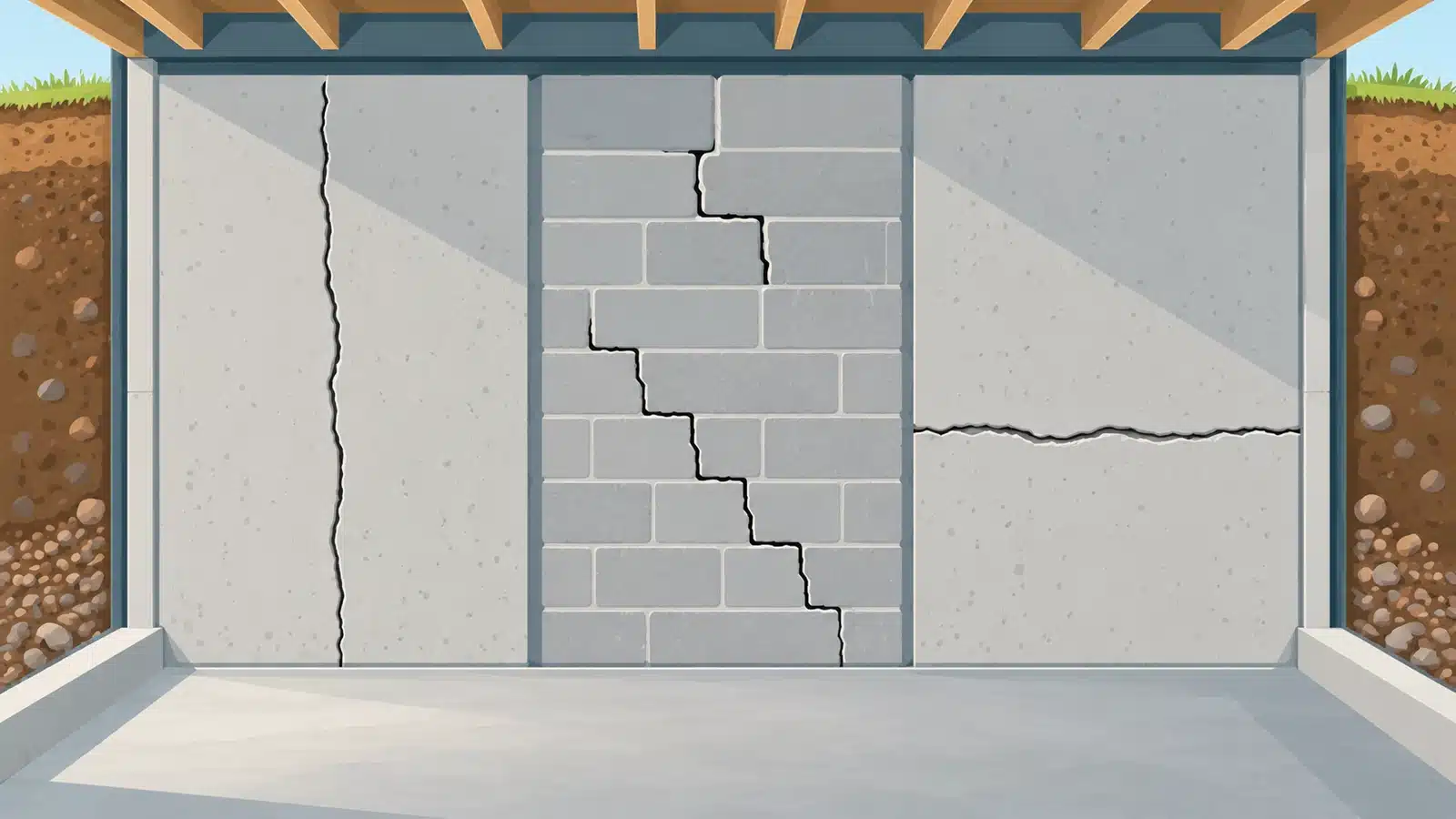
- Horizontal cracks in a basement wall.
- Stair-step cracks following the mortar joints of a block or brick wall.
- Width over 1/4 inch. Both This Old House and Bob Vila (updated Sept. 2025) use 1/4 inch as the point where an inspection makes sense.
- Displacement: one side of the crack sits farther in, out, up or down than the other.
- Bowing or leaning walls. Hold a long level or straightedge against the wall; Bob Vila suggests a 6-foot level.
- Signs elsewhere in the house: doors or windows that suddenly stick, sloping floors, new drywall cracks, or gaps opening at trim and baseboards (This Old House).
- A crack that keeps growing or reappears after it was patched.
Foundation crack types: what each usually means
Direction and pattern give clues, but none of these is a diagnosis on its own.
| Crack type | What it usually means | Typical next step |
|---|---|---|
| Hairline (very thin, any direction) | Shrinkage as concrete cured; often cosmetic | Mark, date and watch |
| Vertical | Most common type; usually shrinkage or minor settling (Angi) | Monitor; seal if it leaks |
| Diagonal | Often uneven settling; tapering cracks near corners and openings point to settlement (InterNACHI) | Monitor; get it evaluated if it grows or has other symptoms |
| Stair-step (block or brick) | More concerning than vertical; can signal soil movement | Have it inspected |
| Horizontal | Soil pressure pushing the wall inward; the most concerning type | Structural engineer |
| Where the wall meets the floor | Common and often harmless (Bob Vila); may let water in | Watch for water |
| Basement floor slab | Less serious, since the slab doesn’t carry the house; usually shrinkage (Angi) | Seal; get help if the floor is heaving |
Is a vertical crack in a foundation serious?
Usually not. Angi (updated July 2026) calls vertical cracks the most common type and “rarely structural,” typically caused by settling or shrinkage.
A vertical crack becomes a concern if it widens over time, lets water in, or one side shifts out of line with the other. A crack that is wide at one end and hairline at the other is a classic settlement pattern, according to InterNACHI’s foundation inspection guide.
What does a horizontal crack in a basement wall mean?
Take it seriously. A horizontal crack usually means the soil outside is pushing on the wall hard enough to bend it. As an engineer quoted by This Old House put it, “Horizontal cracks indicate that the soil is exerting enough pressure on the wall to make it bulge inward.” InterNACHI lists possible causes including improper backfill, expansive soil and frost.
Check the wall with a long level for any inward lean or bulge, photograph it, and book a structural engineer. Don’t try to fix a horizontal crack by simply filling it; a filler won’t stop the wall from moving.
Safety first: If a wall is visibly bowing, leaning or moving, keep stored items off it, don’t dig along the outside of it, and don’t try to push or jack it back yourself. Straightening and anchoring a wall needs an engineered plan.
How do you measure and monitor a foundation crack?
A simple log over a few months tells an engineer far more than one photo. Here is a method based on guidance from Bob Vila and This Old House:
- Mark both ends. Draw a short pencil line across each end of the crack and write the date next to it.
- Measure the widest point. Use a crack-width card or a ruler with fine markings, and write the width and date on the wall.
- Photograph it. Hold a tape measure alongside the crack so the scale is visible, and keep the photos dated.
- Check monthly for several months. If the crack runs past your marks, add new dated marks.
- Note the season. Some cracks open and close with temperature. InterNACHI notes that recording cyclical movement can take six months or more, and that professionals use dedicated movement indicators for precise readings.
- Look at the crack itself. InterNACHI’s guide says a clean crack suggests recent movement, while a dirty or previously filled crack is likely older.
Also watch for new symptoms around the house: doors that start to rub, new drywall cracks, or floors that feel out of level.
What if a foundation crack is leaking water?
A leaking crack is a water problem first and a crack problem second. The NRMCA guide advises checking and correcting drainage around the house before repairing a leaking crack. In practice that means:
- Clean gutters and make sure downspouts discharge well away from the wall.
- Check that soil slopes away from the foundation rather than toward it.
- Then seal the crack. Angi notes polyurethane foam bonds better to wet surfaces and cures faster than epoxy, which makes it a common choice for leaking cracks.
If the crack stays damp and won’t dry, Bob Vila recommends bringing in a professional. If water is also coming up through the slab or at the base of the wall, see our guide to water seeping through the basement floor, and for storm-related leaks, water in the basement after rain.
Should you call a structural engineer or a foundation contractor?
They do different jobs. A structural engineer diagnoses the cause and writes a repair recommendation; a foundation contractor sells and installs repairs. This Old House (updated June 2026) notes that repair companies often offer free inspections but are more likely to be biased toward their own services, and recommends an independent engineer.
| Situation | Who to call first |
|---|---|
| Hairline or vertical crack, dry, not changing | No one yet; monitor it |
| Small crack that leaks but shows no movement | Waterproofing or foundation contractor for sealing |
| Horizontal, stair-step, displaced or growing crack | Structural engineer |
| Bowing wall, sticking doors, sloping floors | Structural engineer |
| Buying a house with visible foundation cracks | Structural engineer (This Old House recommends one) |
An engineer’s foundation inspection and report typically costs $300 to $750 according to HomeGuide (Dec. 2025), while This Old House puts the average foundation inspection at about $600.
How are foundation cracks repaired?
The fix depends on whether the crack is only letting in water or the wall is actually moving. Sealing alone does not stop movement, as This Old House points out.
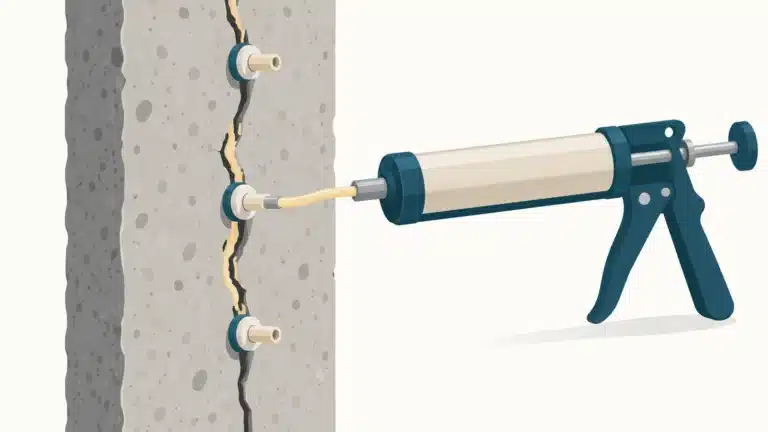
- Epoxy injection: The stronger of the two injection materials, per Angi; generally preferred for dry, stable cracks.
- Polyurethane injection: Expanding foam that bonds to wet surfaces and cures fast, so it’s often used on leaking cracks.
- Hydraulic cement: Quick patch for minor leaks; Angi says it isn’t strong enough for structural cracks.
- Carbon fiber straps or wall anchors: Used to stabilize bowing walls, usually alongside drainage fixes.
- Piers or underpinning: For settlement, where part of the foundation is sinking.
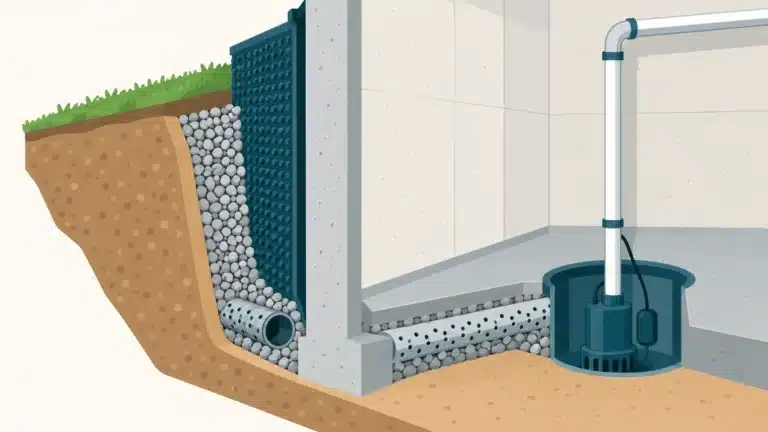
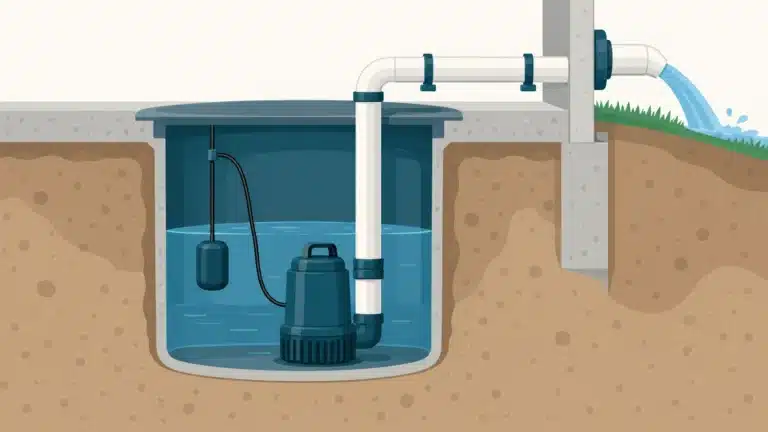
- Water management: Gutters, downspouts, grading and sometimes interior drainage with a sump pump.
For a single non-structural crack, This Old House lists crack filling at $250 to $800 (updated Oct. 2026). Structural work costs far more. See our full breakdown of foundation crack repair cost, and if water is the main issue, basement waterproofing cost and French drain cost.
Foundation crack FAQs
How big of a foundation crack is too big?
There’s no single cutoff, but several sources use about 1/4 inch as the width where you should get an inspection. Cracks under 1/8 inch that are dry and stable are generally treated as minor. Any crack that is growing, offset or horizontal deserves a professional look regardless of width.
Do all houses have cracks in the foundation?
Many do. The concrete industry’s own guidance says some cracking is normal in concrete basement walls because concrete shrinks as it dries. The concern is the type of crack and whether it’s changing, not the fact that a crack exists.
Can I fix a foundation crack myself?
For small, dry, stable cracks, yes. Angi limits DIY to non-structural cracks under 1/8 inch that aren’t actively growing. Horizontal, stair-step, wide or moving cracks should be evaluated first, because sealing them can hide a problem without fixing it.
Does a horizontal crack mean my foundation is failing?
Not necessarily failing, but it usually means soil pressure is acting on the wall, and it’s the crack type most likely to need structural repair. Have a structural engineer assess it and check the wall for bowing.
Updated October 28, 2026. Written and edited by Jordan Hale. General educational guidance; use a qualified professional for structural, electrical or mold work.